
Superclone Watch Factory Comparison: How to Compare Factory Versions, Movements & Quality
-
Audemars Piguet Royal Oak “50th Anniversary” Automatic Black Dial Men’s Watch
Audemars Piguet Original price was: ₹58,000.00.₹56,500.00Current price is: ₹56,500.00. -
Audemars Piguet Royal Oak “50th Anniversary” Automatic Blue Dial Men’s Watch
Audemars Piguet Original price was: ₹58,000.00.₹56,500.00Current price is: ₹56,500.00. -
Audemars Piguet Royal Oak “50th Anniversary” Automatic Grey Dial Men’s Watch
Audemars Piguet Original price was: ₹58,000.00.₹56,500.00Current price is: ₹56,500.00. -
Audemars Piguet Royal Oak Automatic Blue “Grained Dial” Dial Men’s Watch
Audemars Piguet Original price was: ₹58,000.00.₹56,500.00Current price is: ₹56,500.00. -
Audemars Piguet Royal Oak Automatic Green Dial Men’s Watch
Audemars Piguet Original price was: ₹58,000.00.₹56,500.00Current price is: ₹56,500.00. -
Audemars Piguet Royal Oak Chronograph Automatic Black Dial Men’s Watch
Audemars Piguet Original price was: ₹62,500.00.₹58,500.00Current price is: ₹58,500.00. -
Audemars Piguet Royal Oak Chronograph Automatic Black Dial Men’s Watch
Audemars Piguet Original price was: ₹58,000.00.₹56,500.00Current price is: ₹56,500.00. -
Audemars Piguet Royal Oak Chronograph Automatic Grey Dial Men’s Watch
Audemars Piguet Original price was: ₹58,000.00.₹56,500.00Current price is: ₹56,500.00.
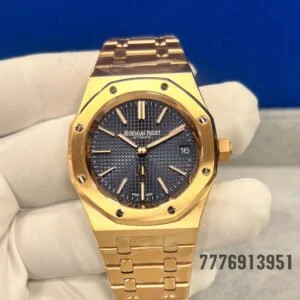


Choosing a superclone watch can be confusing. Different factory names, movements and versions can make the decision harder.
The factory name is not the only thing to consider. You should also compare the model, movement, case, dial, bracelet and available QC photos.
If you are researching different superclone watch models, explore our collection to compare available designs and specifications.
What Does “Superclone Watch Factory” Mean?
“Superclone” is a market term used by sellers and watch communities to describe certain replica-style watches. It is not an independent quality certification, and different sellers may use the term differently.
A factory name is generally used in the market to distinguish between different production versions of a particular watch. Two watches based on a similar design can have noticeable differences in:
- Case shape and finishing
- Dial printing and markers
- Bezel construction
- Bracelet and clasp
- Crystal appearance
- Movement configuration
- Functions
- Dimensions and weight
- Current production batch
This is why simply asking, “Which factory is best?” does not always give you a useful answer.
A better question is:
“Which available factory version matches the specific model and features I am comparing?”
That approach makes the comparison much more practical.
Key Factors to Compare Between Factory Versions
1. Start With the Exact Model
The first step is identifying the exact model you are researching.
Don’t compare factory names in isolation.
A factory that is frequently discussed for one sports-watch model may not offer the same specifications or version for another type of watch.
Look at:
- Model family
- Case size
- Dial configuration
- Bezel type
- Bracelet or strap
- Complications
- Movement configuration
- Current available version
Once the exact model is established, factory comparisons become much easier.
2. Case Shape and Finishing
The case is one of the most noticeable parts of a watch.
When comparing two versions, examine the:
- Lug shape
- Case thickness
- Crown guards
- Brushed surfaces
- Polished surfaces
- Bezel edges
- Case-back design
A good comparison should use photographs taken from several angles rather than relying on a single front-facing product image.
Side and angled photographs are particularly useful because they reveal proportions and finishing that may not be obvious from the front.
3. Dial Details
The dial is another area where small differences can become noticeable.
Check:
- Hour markers
- Logo placement
- Font style
- Date-window position
- Hand proportions
- Sub-dial spacing
- Dial texture
- Colour and finishing
- Alignment
Don’t judge a dial solely from a heavily edited marketing photograph.
Whenever possible, compare clear photographs of the actual available version and pay attention to small details rather than relying only on general appearance.
4. Movement and Functions
Movement is one of the most frequently discussed subjects in superclone watch comparisons.
However, movement names can sometimes be confusing because sellers may use different descriptions for similar-looking configurations.
Instead of focusing only on a movement’s name, look at what is actually documented:
- Movement type
- Automatic or manual winding
- Function layout
- Power-reserve specification, where documented
- Date function
- Chronograph operation
- GMT function
- Rotor appearance
- Service considerations
A factory comparison should also distinguish between appearance and mechanical performance.
A movement that visually resembles another caliber does not automatically mean that it has identical specifications or performance.
This is particularly important when a product listing makes claims about a specific movement.
5. Crystal and Bezel
Crystal clarity and bezel finishing are often considered when comparing different factory versions.
Look for:
- Crystal type stated by the seller
- Anti-reflective treatment, if specified
- Clarity under different lighting
- Bezel alignment
- Bezel colour
- Marking quality
- Rotation or action where applicable
These details can vary between models and production versions, so avoid applying a general statement about one factory to every watch associated with that factory.
6. Bracelet and Clasp
A watch can look impressive in photographs but feel very different on the wrist.
When comparing factory versions, inspect:
- Bracelet width
- Link construction
- End-link fit
- Brushing
- Polished sections
- Clasp design
- Clasp finishing
- Bracelet flexibility
If comfort matters to you, bracelet construction deserves as much attention as the dial.
For some buyers, a small difference in case finishing may matter less than a bracelet that sits comfortably and fits properly.
VSF vs Clean Factory: Why the Comparison Is Model-Specific
VSF and Clean Factory are two names frequently discussed in current superclone-watch communities, particularly in comparisons involving Rolex-style models.
However, the comparison can change depending on the exact model and version being discussed.
Rather than making a blanket statement about either factory, compare them using the same checklist:
| Comparison Area | What to Examine |
|---|---|
| Case | Shape, thickness and finishing |
| Dial | Printing, markers and colour |
| Bezel | Alignment, colour and construction |
| Crystal | Clarity and stated specification |
| Bracelet | Fit, finishing and clasp |
| Movement | Configuration and documented functions |
| QC | Actual photographs of the available watch |
| Availability | Current version and stock |
| Price | Whether the price difference corresponds to documented differences |
This approach is more useful than assuming that one factory will always be better across every model.
If you are comparing Rolex-style models, you can also explore our Rolex-style watches collection for available designs and specifications.
What About ZF, BTF, APSF and PPF?
Other factory names are also frequently discussed in specialist watch communities.
ZF, BTF, APSF and PPF are among the names that may appear when researching different models and configurations.
However, the factory name should be treated as the starting point for research rather than the final quality verdict.
A practical comparison looks like this:
Exact Model → Available Factory Versions → Specifications → Visible Details → Movement & Functions → QC → Price & Terms
This sequence prevents a common mistake: choosing a factory first and then trying to find a suitable watch from that factory.
For readers researching Royal Oak-style designs, explore our Audemars Piguet-style watches collection to compare available models.
How to Evaluate QC Photos
QC, or quality-control, photographs can be useful when they are available for the specific watch being considered.
Before making a decision, look for clear photographs showing the following areas.
Front
Check dial printing, markers, hands and overall alignment.
Side
Look at case thickness, crown position and finishing.
Back
If the movement is visible, check that the supplied specification corresponds with the product description.
Bracelet
Look at the end links, clasp and finishing.
Bezel
Check alignment and visible markings.
Date Window
Look at the position, alignment and magnification where applicable.
The key is to examine the actual available watch rather than relying only on promotional photographs.
Does a Higher Price Always Mean Better Quality?
Not always. A higher price does not guarantee better quality.
The price can depend on the movement, materials, finishing, model and availability. Seller pricing can also affect the final cost.
Before paying more, compare the features of each watch. Check the movement, case, dial, bracelet and other specifications.
Don’t choose based on price alone. Compare the actual features first.
Common Mistakes When Comparing Superclone Factories
Choosing a Factory Before Choosing a Model
This is one of the easiest mistakes to make.
Start with the watch you want, then research the available factory versions.
Trusting “1:1” as a Guarantee
Terms such as “1:1” and “superclone” are market descriptions rather than independent certifications.
Always look beyond the terminology and check the actual specifications and photographs.
Looking Only at the Front Photograph
Case profile, bracelet construction and finishing can easily be missed when you only look at the front of the watch.
Comparing Old Reviews With Current Products
Factory versions and production batches can change.
A review of an older version may not accurately describe the currently available watch.
Assuming Every Model From a Factory Is Identical
Different factories can have different versions for different models, and specifications can vary between references.
Ignoring the Movement
A watch’s appearance is only one part of the comparison.
Movement type, configuration and functions should also be checked carefully.
Superclone Watch Factory Comparison Checklist
Before choosing a superclone watch, take a few minutes to compare the key details. A simple checklist can help you make a more informed choice.
Check the model, factory version, movement, case, dial, bezel and bracelet. Also review the available QC photos and product specifications.
Compare the price with the features offered. Make sure you also understand the warranty, return, payment and shipping terms before placing an order.
Use the checklist below to review each watch:
✓ Check the exact model
✓ Confirm the factory version
✓ Check the movement
✓ Review the case and dial
✓ Check the bezel and crystal
✓ Examine the bracelet and clasp
✓ Review QC photos, if available
✓ Compare the listed specifications
✓ Compare the price
✓ Read the warranty and return terms
✓ Check shipping and payment details
Final Thoughts
A good superclone watch factory comparison is not about finding one factory that wins every category.
It is about understanding why different factory versions are discussed, identifying the exact model you are interested in and comparing the details that actually matter.
Factory names such as VSF, Clean, ZF, BTF, APSF and PPF can help narrow your research, but they should not replace product-specific information.
When researching a watch, compare the model first, factory version second, movement and functions third, and QC details alongside the other specifications.
At SwissReplicaHub, our focus is on providing clear product information so customers can compare available watch models and specifications more easily.
Take the time to review the model, specifications, movement, finishing, available photographs, price and purchase terms before making a decision. A structured comparison can help you understand exactly what you are evaluating instead of relying only on factory names or marketing terms.
FAQs About Superclone Watch Factory Comparison
A superclone watch factory refers to a manufacturer or production source associated with a particular version of a replica-style watch. Different factory versions may have differences in the case, dial, movement, bracelet and finishing.
Different factories may produce different versions of the same watch model. Comparing them can help you understand differences in specifications, movement, finishing, design details and available versions.
Start with the exact model and then compare the movement, case size, dial, bezel, crystal, bracelet and clasp. You should also check the available QC photos, product specifications, price and purchase terms.
VSF and Clean Factory are names commonly used in discussions of replica-style watches. The differences can vary by model and version, so it is better to compare the exact reference, movement, case, dial, bracelet and other available specifications.
Look closely at the dial, markers, hands, date window, bezel, case, bracelet and clasp. Compare the photos with the product description and check whether the visible details match the listed specifications.
Yes. Product versions, batches and available specifications can change. This is why older reviews may not always describe the version that is currently available.
Compare both versions using the same checklist. Look at the model, movement, case, dial, bracelet, specifications, QC photos and price. This gives you a clearer basis for comparing the available options.

